Steppe Megacity: Archaeologists Discover Massive Ancient Settlement in Kazakhstan
Researchers have identified 'Semiyarka,' a 140-hectare Bronze Age settlement that challenges traditional views on the origins of urban civilization.
 💡Tech
Photo: UNIAN
Key points
- A 140-hectare Bronze Age settlement was discovered near the Irtysh River.
- The site features advanced urban planning and large-scale bronze production.
- The find challenges the idea that early urbanism was exclusive to Mesopotamia.
A team of international archaeologists has uncovered a massive 2nd-millennium BC settlement in the Kazakh steppes, dubbed the 'City of Seven Gorges' (Semiyarka). The discovery, detailed in the journal Antiquity, reveals an organized urban-like structure covering 140 hectares—roughly the size of 200 football fields. This find suggests that complex societies existed far beyond the traditionally recognized cradles of civilization in the Middle East.
Urban Planning in the Heart of the Steppe
Located strategically along the Irtysh River, Semiyarka featured earthwork fortifications, distinct economic zones, and a central monumental building. Researchers from University College London (UCL) and Durham University believe this central structure was likely used for rituals or as a headquarters for local leaders. "Semiyarka changes our understanding of steppe societies," stated Dr. Miljana Radivojević, highlighting the sophisticated planning evident in the site's layout.
The rectilinear structures found at the site indicate that Bronze Age communities in this region developed planned settlements similar to those built in Mesopotamia during the same period. This discovery refutes the long-held belief that steppe populations were exclusively nomadic or lacked complex social hierarchies.
A Bronze Age Industrial Hub
Beyond its size, Semiyarka was a major center for metallurgy. Archaeologists found extensive evidence of copper and tin-bronze smelting on a scale previously unseen in the region. The presence of crucibles, slag, and bronze artifacts suggests that these ancient metallurgists managed complex production systems rather than simple workshops. Positioned near the Altai Mountains' mineral deposits, the city likely served as a vital node in trade networks connecting Central Asia to the rest of the continent.
Source UNIAN — unian.ua/science/starodavnye-protomisto-v-kazahstani-vono-rozmirom-… ↗
Read next
 🛡️Security
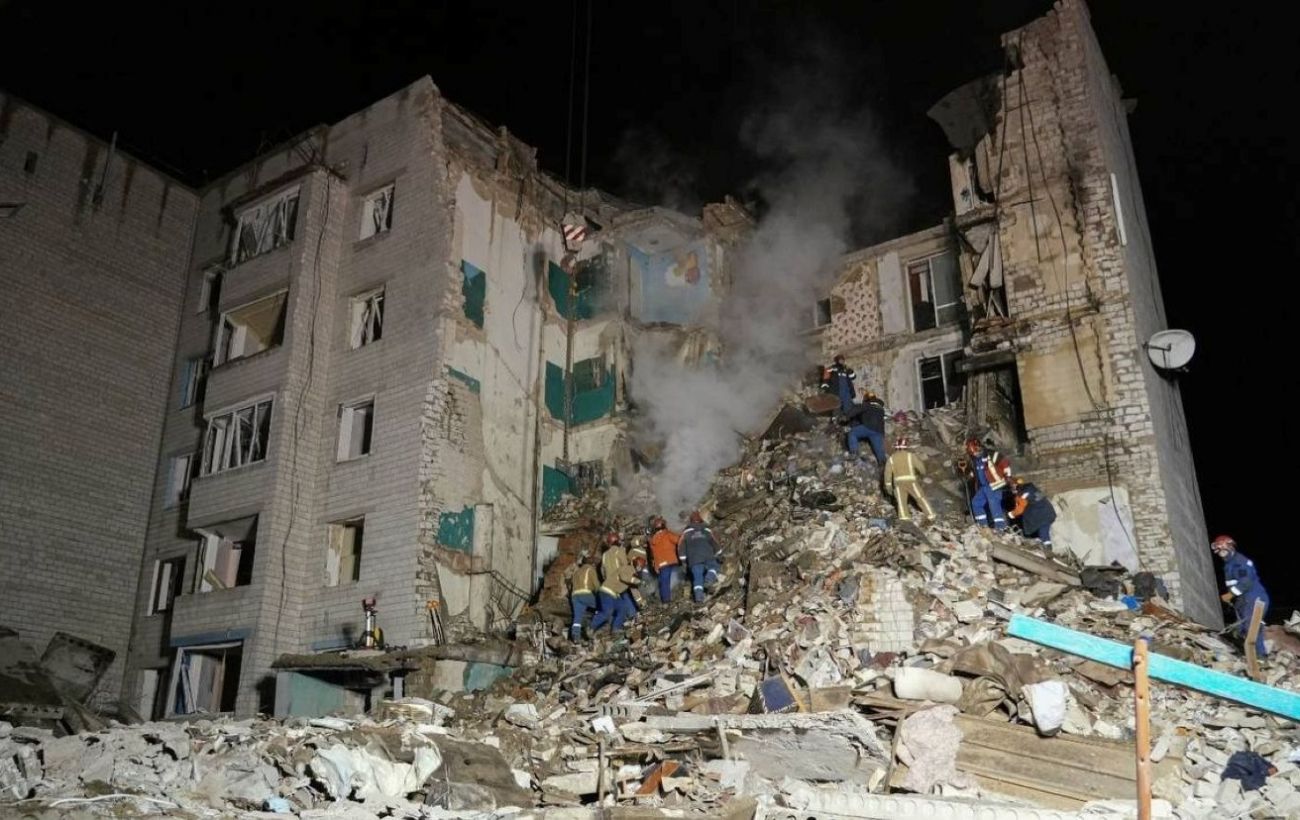
Strike on Dymer Residential Building Kills 11 People
The death toll from a Russian drone strike on a residential apartment building in Dymer, Kyiv region, has risen to 11, with rescue operations lasting all night.
 🧠AI Analysis
Orbital Threat: Western Intelligence Warns of Russian Plans to Deploy Nuclear Weapons in Space
Russia is reportedly preparing to launch 'Sputnik-C,' a satellite equipped with a nuclear warhead capable of disabling global communication and navigation systems this ye…
 🏛️Politics
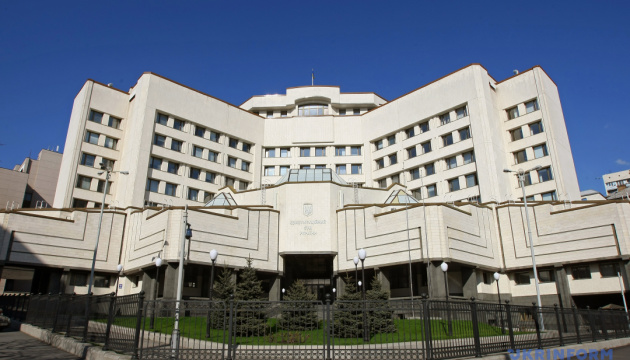
Ukraine's Constitutional Court on Brink of Quorum Loss as Judge Count Drops to 12
The retirement of Judge Horodovenko has left the Constitutional Court with the bare minimum of 12 judges required for the Grand Chamber, effectively halting the work of t…
 🚨Events
Winter weather and frosts: forecasters predict a sharp change in weather across Ukraine
A significant cold snap, snowfalls, and sub-zero temperatures are expected in Ukraine this week.
 🚨Events
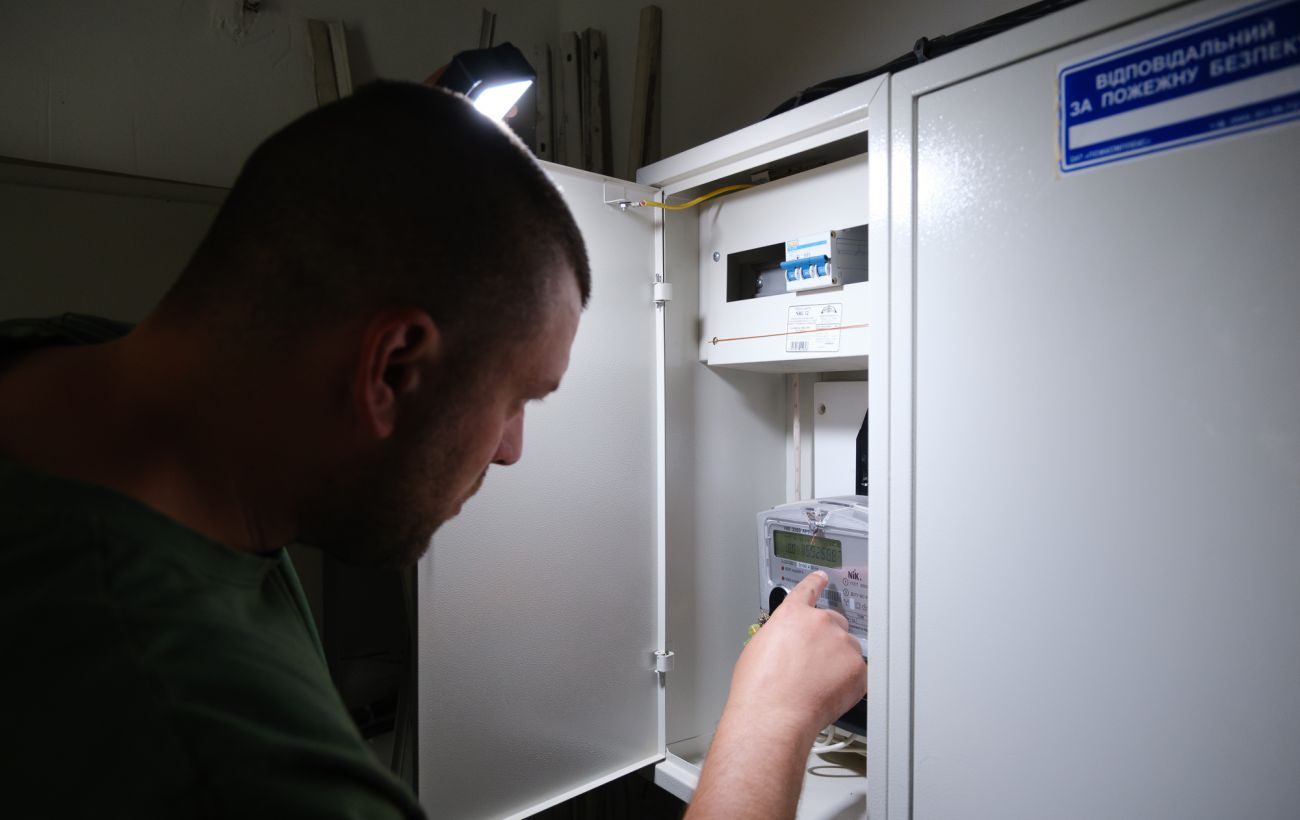
Ukraine's Energy System Under Attack: One Hundred Strikes Recorded in a Week
Over the past week, Russian forces launched about a hundred targeted strikes on Ukraine's energy sector. The situation remains most critical in the Odesa and Dnipropetrov…
 🎭Culture & Sport
Poland Plans to Restrict Social Media Access for Children Under 15
The Polish Ministries of Education and Digitalization have prepared a draft law to ban social media access for children under 15 with strict age verification.