The Economist: Russia, China, Iran, and North Korea deepen ties, challenging global stability
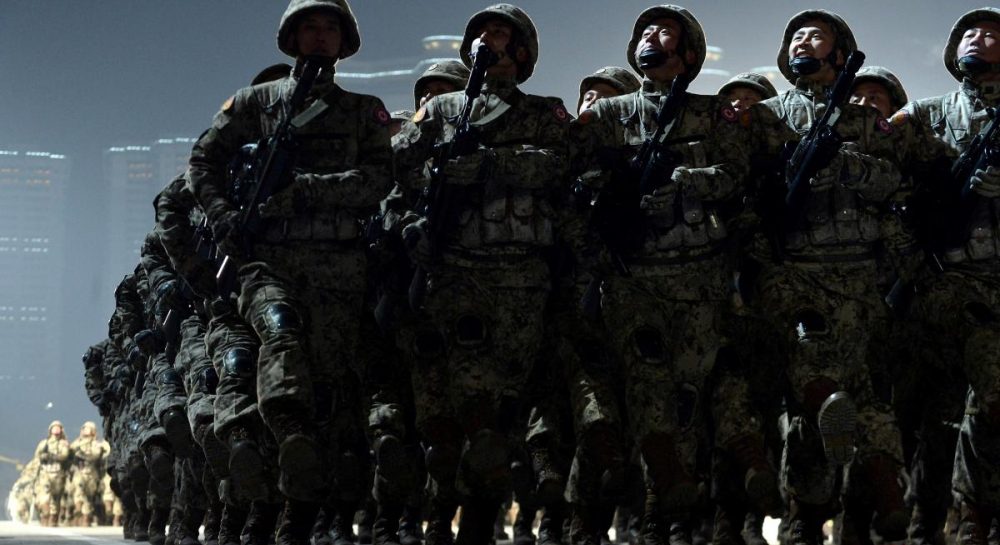
A new report from The Economist highlights the growing coordination between four authoritarian regimes, which is reshaping the global balance of power.
 🏛️Politics
Photo: UNIAN
Key points
- Emergence of a non-formal alliance between Russia, China, Iran, and North Korea.
- Over 600 instances of security cooperation since 2019.
- Lack of a unified command structure despite growing interaction.
- Increased difficulty for the West to contain these regimes separately.
A growing geopolitical alignment
The Economist has published an analysis detailing the increasing cooperation between Russia, China, Iran, and North Korea. While this group does not function as a formal military alliance like NATO, the coordination between these nations in terms of technology, intelligence sharing, and economic support is becoming a significant factor in international relations.
According to the FDD think tank, over 600 instances of security-related cooperation were recorded between 2019 and 2025. This collaboration has intensified significantly since the onset of Russia's full-scale invasion of Ukraine, providing these regimes with the tools to circumvent Western sanctions and exchange military expertise.
Internal tensions and global impact
Despite their shared interests, the alliance is not without internal contradictions. China’s focus on stability in the Middle East for energy security sometimes clashes with Russia’s interest in regional instability to drive up oil prices. However, experts warn that even without a formal mutual defense pact, the mutual support between these four regimes makes them increasingly dangerous and difficult for the West to contain individually.
Source UNIAN — unian.ua/world/rosiya-knr-iran-ta-pivnichna-koreya-stvorili-neforma… ↗
Read next
 🩺Health
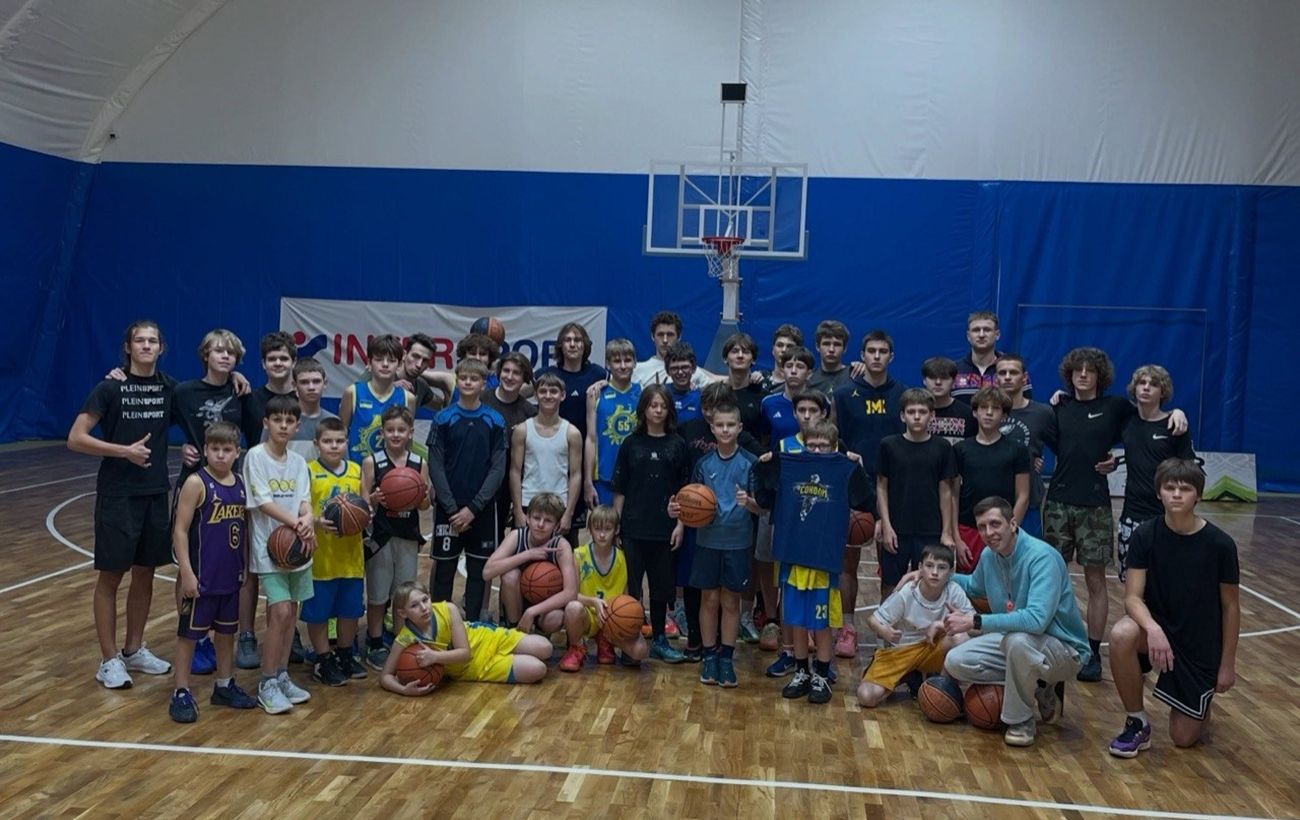
Development of Youth and Professional Sports: How Business Social Responsibility Impacts Public Health
Partnerships between the pharmaceutical sector and professional sports clubs in Ukraine demonstrate a systemic approach to supporting youth health, promoting active lifes…
 👥Society
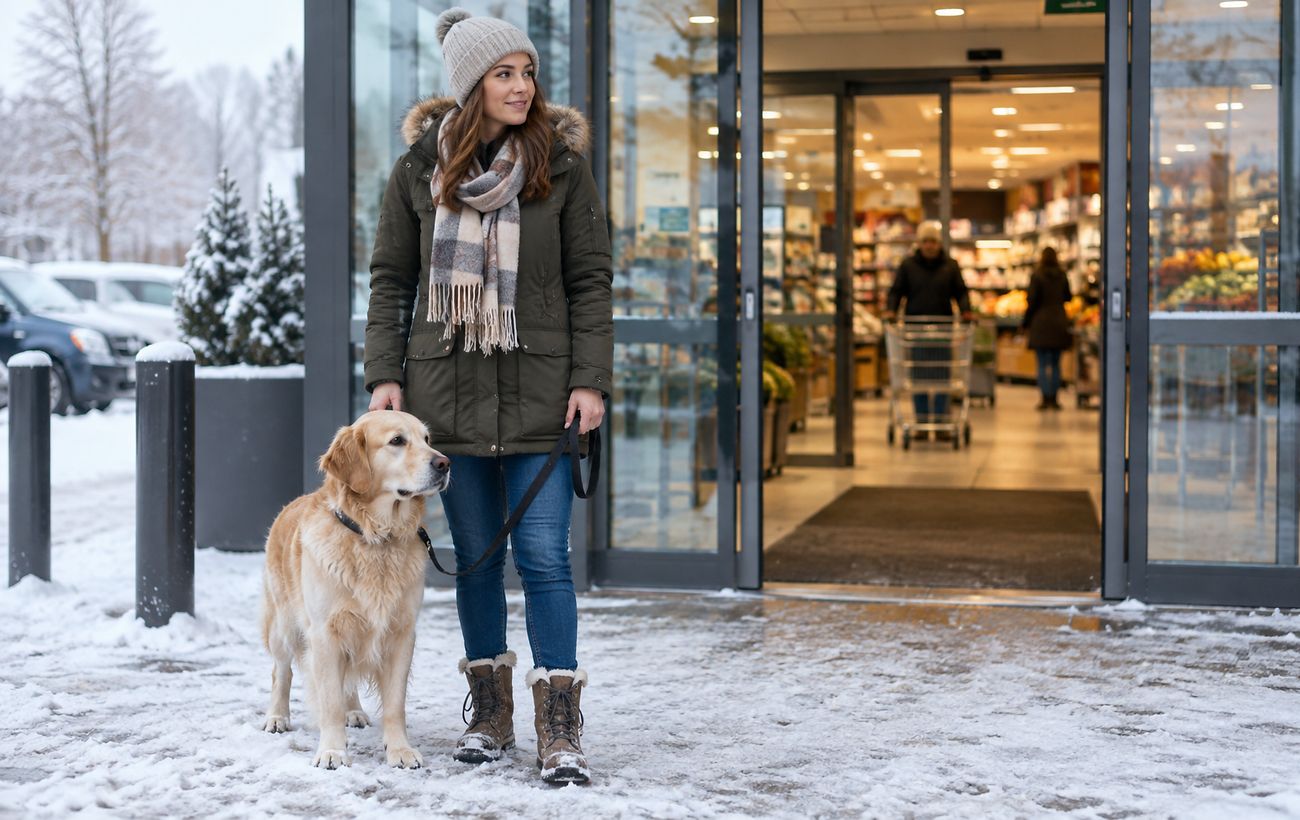
Pet Safety in Nadvirna: Rules for Visiting Shops and the Prohibition of Leaving Dogs in the Cold
The State Food and Consumer Service reminds citizens of legal restrictions regarding pet care and the dangers of leaving animals outside during freezing weather.
 🧠AI Analysis
Nuclear Blackmail as a Tool of Pressure: New Kremlin Threats and Their Impact on Rear Communities
Russian officials have once again resorted to nuclear rhetoric, outlining scenarios for a potential preemptive strike against Ukraine.
 🇺🇦Ukraine
EU Insists on Multilateral Format Despite Moscow's Invitation for Talks
The European Commission acknowledged an invitation from Russia to visit Moscow but emphasized the necessity of a multilateral approach and coordination with the US.
 🚨Events
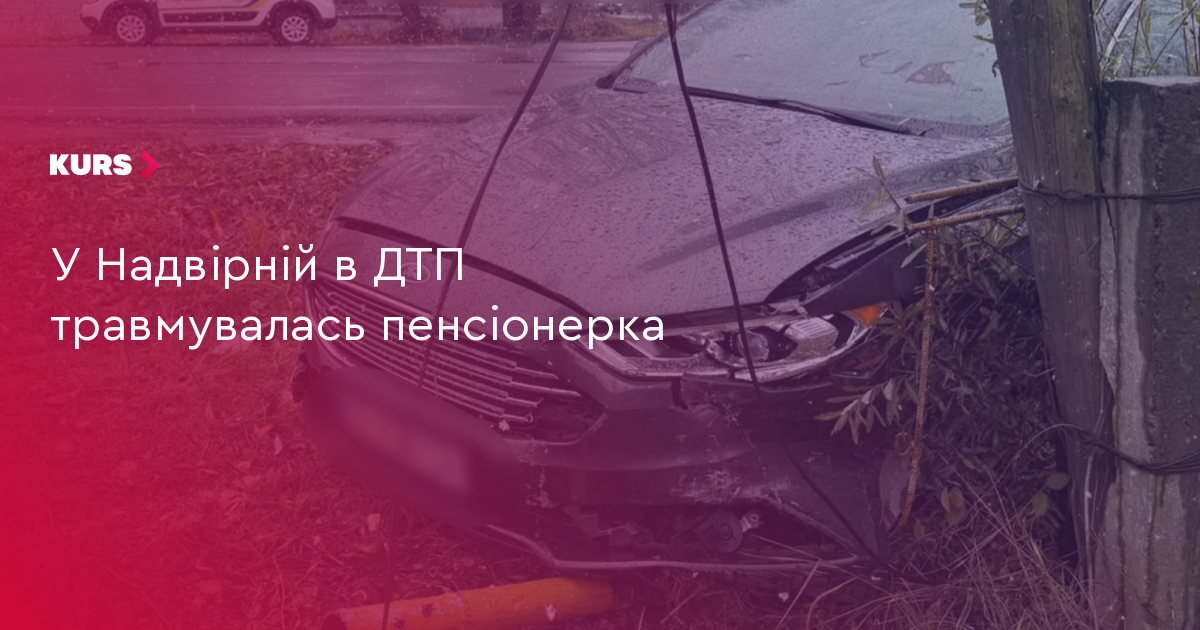
Traffic accident at a crossroads in Nadvirna leaves one injured
Two cars collided at the intersection of Yevropeiska and Vokzalna streets. An elderly passenger was hospitalized following the incident.
 🧠AI Analysis
NATO Rejects Russia's Demands to Return to 1997 Borders: Mark Rutte's Stance
NATO Secretary General Mark Rutte dismissed Moscow's proposals to overhaul European security as unacceptable, rejecting the idea of rolling back the Alliance to its 20th-…