Shopping in Nadvirna: Why Retail Chains Maintain Limits on Oil and Social Goods
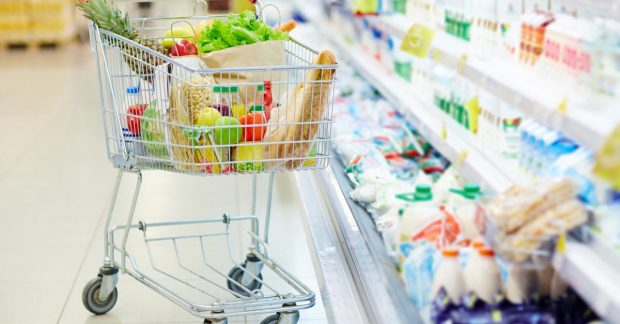
Nadvirna residents have noticed limits on sunflower oil sales, but retailers and the Ministry of Agrarian Policy assure that there is no shortage.
 🏙️City
Photo: UNIAN
Key points
- ATB's 6-unit limit on social goods has been in place since August.
- Shutdowns at Kernel and Potoki plants are temporary safety measures.
- Ukraine's domestic oil consumption is less than 10% of its total production.
In recent days, discussions regarding restrictions on the purchase of sunflower oil in popular retail chains have spread among residents of Nadvirna and surrounding areas. Shoppers have noticed that some stores have set limits on the number of items per person. However, retail representatives and the relevant ministry assure that there is no cause for panic, and the situation remains under control.
Retail Chains' Position and Current Restrictions
The largest supermarket chain in Ukraine, ATB, which has a significant presence in our city, officially commented on the situation. The company's press service noted that no new restrictions have been introduced recently. Limits on the sale of 'social goods'—up to 6 units per person—have been in place since August. This decision was made following strikes on warehouses to ensure equal access to essential products for all citizens.
The temporary absence of certain items on store shelves in Nadvirna is explained not by a product shortage, but by complicated logistics. Constant challenges in the power system and security risks affect the speed of delivery from manufacturers to distribution centers and then to final points of sale.
Production Status and Expert Forecasts
The situation in the oil and fat industry remains tense due to attacks on industrial facilities. Recently, major market players including Kernel, Delta Wilmar Ukraine, and the Potoki plant in Dnipro announced a temporary suspension of operations. Minister of Agrarian Policy and Food Taras Vysotskyi emphasized that this is a necessary step:
"We are recording a temporary suspension of some oil extraction plants for security reasons during the recovery period after enemy attacks."
Despite these challenges, the Ukroliyaprom association emphasizes that the domestic market is fully protected. Ukraine consumes less than 10% of the total volume of oil produced, so even if some plants stop, existing stocks and capacities are sufficient to meet the population's needs. Thus, residents of the community do not face a shortage of this strategic product.
Source UNIAN — unian.ua/economics/agro/oliya-i-ne-tilki-na-prodazh-yakih-produktiv… ↗
Read next
 🧠AI Analysis
Washing Machines and Power Bills: How to Choose the Right Cycles to Save Electricity
Most electricity consumed during laundry goes toward heating water, so choosing lower temperatures significantly cuts power usage. Experts advise using Eco programs and r…
 💡Tech
Neuralink Breakthrough: Patient with Brain Implant Plays GTA VI Using Only Thoughts
Neuralink showcased a clinical trial participant playing a mission in GTA 6 using a brain implant without pressing any physical buttons.
 🛡️Security
Case of fatal accident involving NABU detective: lawyer ready to testify before temporary inquiry commission over delays
The lawyer representing the family of a student killed in 2018 has appealed to a parliamentary inquiry commission regarding alleged delays in the case involving a NABU de…
 🧠AI Analysis
Myths and Misinformation Identified as Primary Obstacle to Electric Vehicle Adoption
A global study by the Global EV Alliance reveals that misinformation, rather than high prices or charging issues, is the main barrier to widespread EV adoption. Meanwhile…
 🎓Education
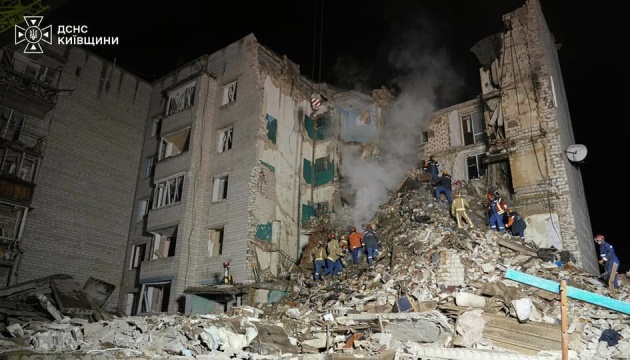
Death toll from strike on Dymer apartment building rises to 11 as boy is rescued after 14 hours
The number of fatalities from the Russian attack on an apartment building in the Kyiv region has reached 11. Rescuers successfully pulled a seven-year-old boy from the ru…
 🎓Education
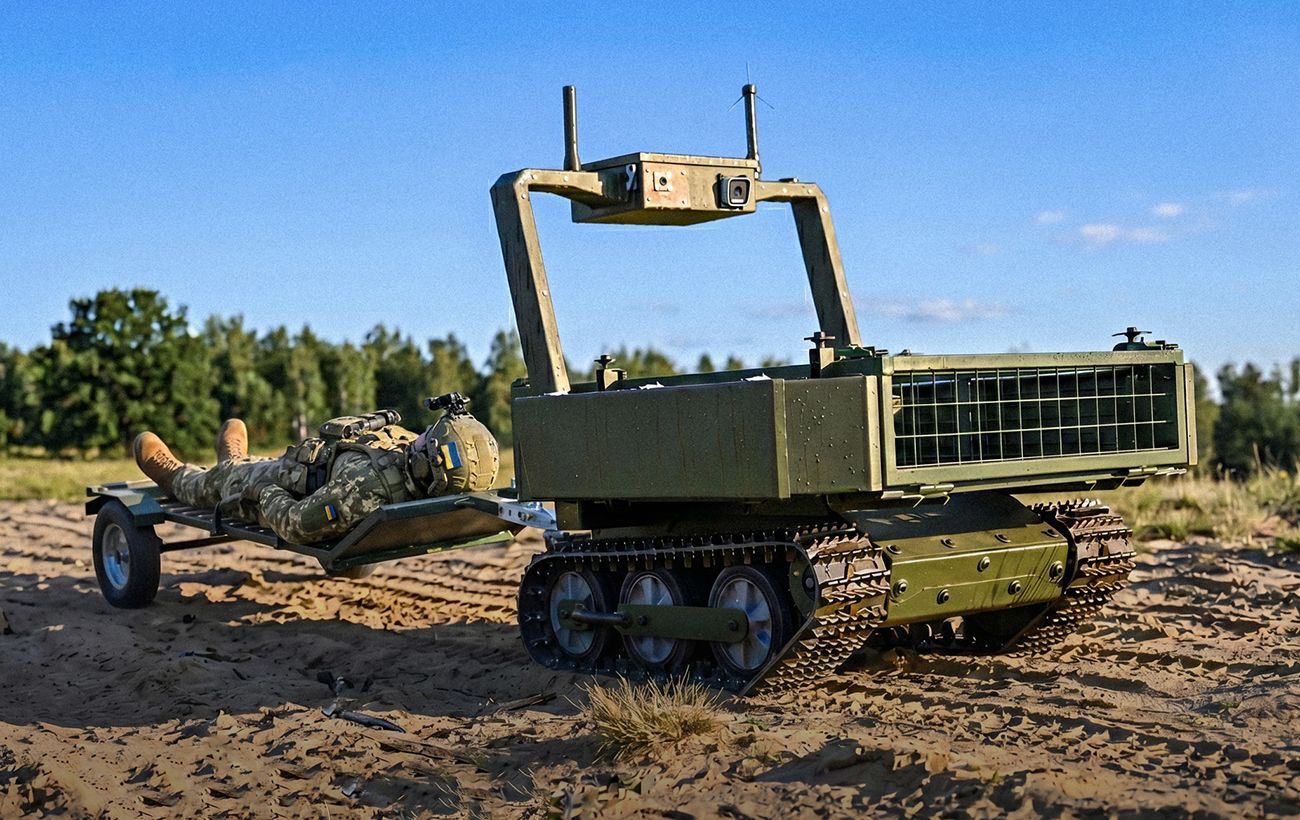
The Role of Ground Robots on the Frontline: Can They Replace Armored Vehicles
Makers of ground robotic systems explain why uncrewed platforms will not fully replace armored vehicles, but will transform frontline logistics.